
Why good managers get feedback so wrong: And what employees can do to improve the experience
Feedback is one of the most powerful tools in any workplace and one of the most consistently mishandled. Not because managers don't care, but because good intentions and good delivery are two very different things. In this blog, I reflect on my experience of receiving feedback — the kind that landed well and the kind that didn't and explore what actually makes the difference. Drawing on a recent conversation with Alex from the Out Of Office Community, we look at feedback from both sides of the table: what managers get wrong in the moment, and what employees can do to shape a better experience without taking on all the responsibility. From the timing and environment, to vague labels masquerading as constructive criticism, to the relational groundwork that makes feedback possible in the first place. Because feedback isn't just what you say. It's when you say it, how you say it, and what the relationship can hold in that moment.
LEADERSHIP DEVELOPMENTWORKPLACE CHALLENGES
Brooke Baxter - collabbWAY & Alex Neilson - Out Of Office Community
4/12/20268 min read
Let me take you back to a work situation many years ago. Let’s say, a decade and a half more.
I was sitting at my manager’s desk in their office, looking out the small window over the courtyard.
I could see the notes sitting in front of my manager as they searched their drawer for a file. At that moment, I sensed the conversation must have been important, since they had taken the time to prepare.
We started with some small chit-chat, and then they reached for their notes and looked down.
“Brooke, I need to give you some feedback based on what I’ve observed recently. Do you know when X talks, your face shows everything you are thinking. I’m not sure if you know this, but you have a terrible poker face.”
I remember just sitting there for a few seconds before I realised what had happened. All these moments of me sitting in leadership meetings with X (senior manager) came flashing back to me.
The bit that took me by surprise was that I hadn’t realised I was doing this until I had that conversation. I knew what I was thinking in those moments, but I didn’t realise my face was revealing it. I had been quietly thinking I was composed, neutral, holding it together, but the whole time, my face was telling a completely different story.
If I’m being completely honest, the feedback moment didn’t feel great, but I will say this – I was grateful. Because the feedback was clear, direct, and gave me something I could actually do something with. It didn’t leave me guessing; it didn’t label me as ‘unprofessional’ or ‘too emotional.’ It pointed to something real, and it landed in a way I could hear it.
I’ve also had feedback that hasn’t been delivered like this. The rushed type, the unclear messaging, said at the wrong time or in the wrong environment. I know you know what I’m talking about, because this is the feedback that stays with you for a long time. I have a few of these moments sitting in a safe part of my brain, and I have packed them away for deeper reflective moments.
Not just what was said, but how it felt in the moment and how it hurt my confidence.
The gap between intent and experience
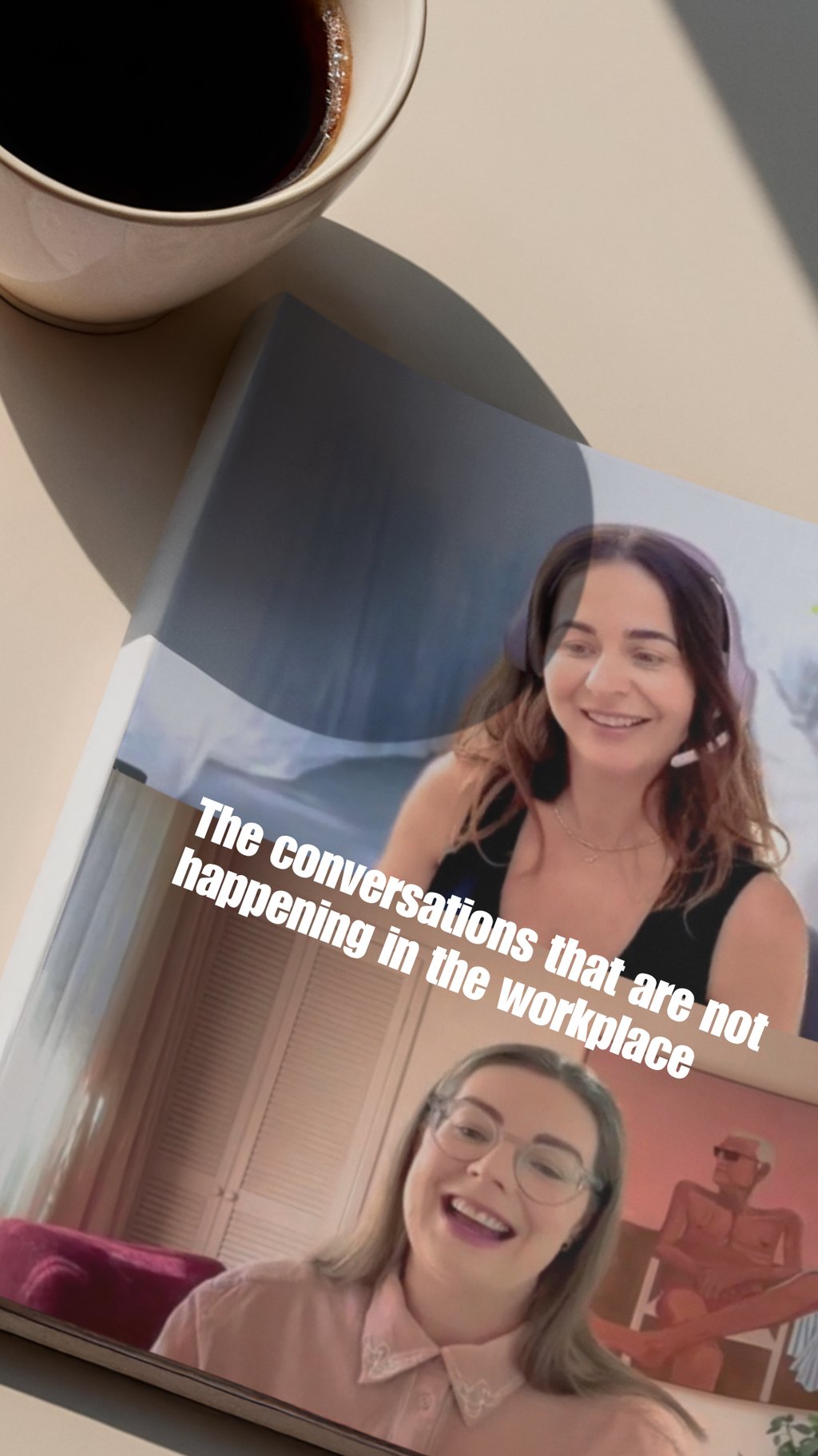
Last week, I talked with my colleague Alex from Out Of Office Community about all things managers and employees in the workplace. This feedback tension came up in our conversation, and we explored it from both the manager's and the employee's perspectives.
Why good managers still get feedback wrong, and what that actually feels like on the other side, and when I say the other side, I mean for the employee. Because feedback isn’t just about saying the thing, it’s about whether the other person can actually receive it in a way they can process it.
I would say many managers despise giving feedback. It’s never fun, and often you never know if you are doing it right. I know many managers care about doing a good job and never intentionally set out to hurt someone. They want their people to grow and be the best they can be in their role.
But that’s not what employees remember. What they remember is the high emotions in the room and how it felt, and this is where things go wrong.
From where I sit as a manager
This is a very common challenge for people in leadership. Managers think they’re being clear, helpful, and direct. But they often spring the feedback on the other person, and they rush the moment. They avoid the build-up, and they haven’t done the relational work first.
So, the feedback lands… hard, way harder than they intended. Not because the message is wrong, but because the moment wasn’t set up well from the start.
Feedback isn’t just what you say. It’s when you say it, how you say it, and what the relationship can hold in that moment.
Here are some key manager moments where feedback breaks down.
No relationship, straight to feedback.
If the relationship isn’t there from the start, feedback can often feel like judgement.
You haven’t built enough trust, you haven’t shown you understand them, and you haven’t created a space where it’s safe to hear something hard. So even well-intended feedback can feel personal.
Building the relationship isn’t a ‘nice to have’, it’s what makes feedback constructive. Alex and I both use relational agreements or ways-of-working documents to build relational safety, so feedback can be framed in a growthful, not hurtful, way.
No warning
This is a big one, and I spend a lot of time setting this out in my leadership workshops.
You call someone into a meeting or grab them in the hallway and drop the feedback on them without context or thinking space to take it in. You might think, “I’ll just be direct” and get it over with so the person can process the feedback in private.
But what actually happens in those moments is shock, defensiveness, and embarrassment.
A simple conversation shift:
“Hey Sarah, can we spend some time together in an hour, so I can discuss our targets for last month. It’s important I understand where your workload is at and that we are on the same page.”
If you can’t reach them by phone or in person, simply send an email with an outline of the discussion focus. This simple, relational step changes everything, as it sets the tone for the other person. No second-guessing as to what you are going to talk to them about. It gives them the space to prepare for this conversation.
The wrong environment
Alex has a great story here.
A few years ago, she had her annual performance review with her manager, who was based in New York. Given that Alex was based in Sydney, the meeting was virtual. The room that her manager had chosen for the call was fully on display (think: glass walls, prime location); Unsurprisingly, it was often referred to as the ‘fishbowl’. Given the time difference, the call was at 5.30 pm New York time. So, obviously, it is also the time when everyone leaves the office for the day (walking past the said room en route to the elevators).
Alex- upon hearing that she didn’t land the promotion she was hoping for, receiving feedback that she wasn’t seen as senior enough for the role- burst into tears, which meant that her (notably upset) face was plastered up on a 65-inch TV screen, on full display to her passing colleagues. Needless to say, being on display just amplified the embarrassment.
The environment matters more than people realise.
Privacy = safety
Safety = better conversations.
Vague labels instead of behaviour
Here are a few very unhelpful labels you may have heard in your time in workplaces.
“You need to be more proactive.”
“You’re not engaging enough.”
“You need to step up.”
“You have more to offer the team.”
This isn’t feedback. This is frustration, labelled as feedback by managers who are confused. FYI - people don’t respond well to labels.
Managers need to be very clear about which behaviours are being exhibited in the workplace and what the impact is on the team and the workplace. You need to always ensure there is a level of kindness and understanding in your words – and the line I use all the time with managers, “connection before correction.”
“I’ve noticed in the last few meetings you haven’t shared your perspective, even when you’ve had the context, and your team has asked really specific questions about your targets for the month.
For example, yesterday, when Sheridan asked about the timing of the X report, you shrugged and didn’t respond.
That input is important for the team, so I’d like to understand what’s getting in the way for you in those moments, as I care about your contribution to the work and how you feel as a team member.”
From the employee's perspective
From the employee side, this is where it gets hard, and trust can be lost. It’s not just the feedback itself; it’s the moment it lands in.
No warning means your guard is up. A public or exposed space makes it feel unsafe and exposed, and vague feedback leaves you unsure what to do next. In those moments, you leave the conversation no clearer, questioning yourself and the relationship.
You may be quietly thinking:
Am I doing a bad job?
Did I miss something?
Is this how they see me all the time?
And let me tell you, this stings. People carry poorly delivered feedback longer than managers realise. It affects confidence, how much you speak up in the future, and how safe you feel contributing. That’s why the ‘how’ matters just as much as the ‘what’.
What employees can do (without taking on all the responsibility)
This isn’t about fixing your manager – this isn’t your responsibility. But there are small ways to improve the experience and shift the dynamic.
Ask for feedback and clarity in your work
If feedback is vague, bring it back to specific behaviour examples.
“Can you give me an example of where you’ve seen that?”
“What would that look like in practice?”
If you’re seeking additional information to better understand the feedback, you’re not being difficult; you’re making it usable and specific so you can reflect on and do the work to lift the behaviour.
Some managers might feel unequipped to answer this way, so it can help to soften it:
“This might come across like I’m rejecting your feedback, but I’m genuinely trying to grow from this. Can you be clear on the exact behaviours and actions you are seeing?”
Create space if you need it
If it catches you off guard, ask this:
“I’d like to take a bit of time to think about this and come back to you. Can we break for 30 minutes so I can collect my thoughts?”
That’s not avoidance; it shows emotional maturity and regulation
Name what helps you
This is a big one
“I find it easier to take feedback when I have a bit of context beforehand.”
“Can we have these conversations in a more private space, and you give me 30 minutes to clear my thoughts before this?”
“I also prefer a written follow-up post feedback conversation. Would you mind sending this through?”
Most managers aren’t trying to get it wrong; they just don’t always know what works for you. This helps build safety in the relationship, but also a healthy feedback culture.
Bringing it all together
I often think back to that moment many years ago, sitting in my manager’s office.
The feedback didn’t feel great in that moment, but it was clear, specific, and delivered in a way I could actually hear. That’s the difference, as feedback isn’t remembered for what was said, it’s remembered for how it is felt.
When we get that wrong, we don’t just miss the message; we damage the relationship. I’ll save the trust repair micro-skill for another moment, but that’s how you mop up your not-so-great feedback mess.
Good managers don’t get feedback wrong because they don’t care; they get it wrong in the moment when they rush, avoid, or haven’t done the work beforehand.
For employees, you don’t have to just sit in that experience. You can ask for clarity, you can shape how feedback works for you, and you can name what helps
Feedback, at its best, should help you grow, not make you more confused or question yourself.


Meet the people behind this conversation
This blog grew out of a conversation between two people who work on opposite sides of the same workplace challenge, and who both believe that better workplaces start with better relationships.
Brooke works with managers and workplaces to build behaviour-driven leadership through relational micro-skills. They are practical, in the moment capabilities that help you lead well when things are unclear, under pressure, or starting to go off track.
Her work is grounded in the belief that leadership isn't your fancy title, it's what you do in the real moments that matter.
If you want to work with Brooke, you can reach her at hello@collabbway.com.au
Alex from the Out Of Office Community works closely with employees, helping them navigate workplace challenges, find their voice, and manage the realities of working under different leadership styles.
Her work meets people where they are in the messiness of real working life.
If you want to work with Alex, you can reach her at hello@outofofficecommunity.com
© 2025 collabbWAY. All rights reserved.


Website by collabbWAY
Based in Geelong