Why a One-Pager Can Transform Your Change Communication
Change communication works best when it’s clear and easy to use. This article shares how a one-page change communication plan helped a leadership team explain a complex IT rollout in a way people could understand and act on. The one-pager gave leaders a shared message, helped teams see where they fit, and kept everyone connected as the change unfolded.
LEADERSHIP DEVELOPMENT
Brooke Baxter | collabbWAY
10/30/20253 min read
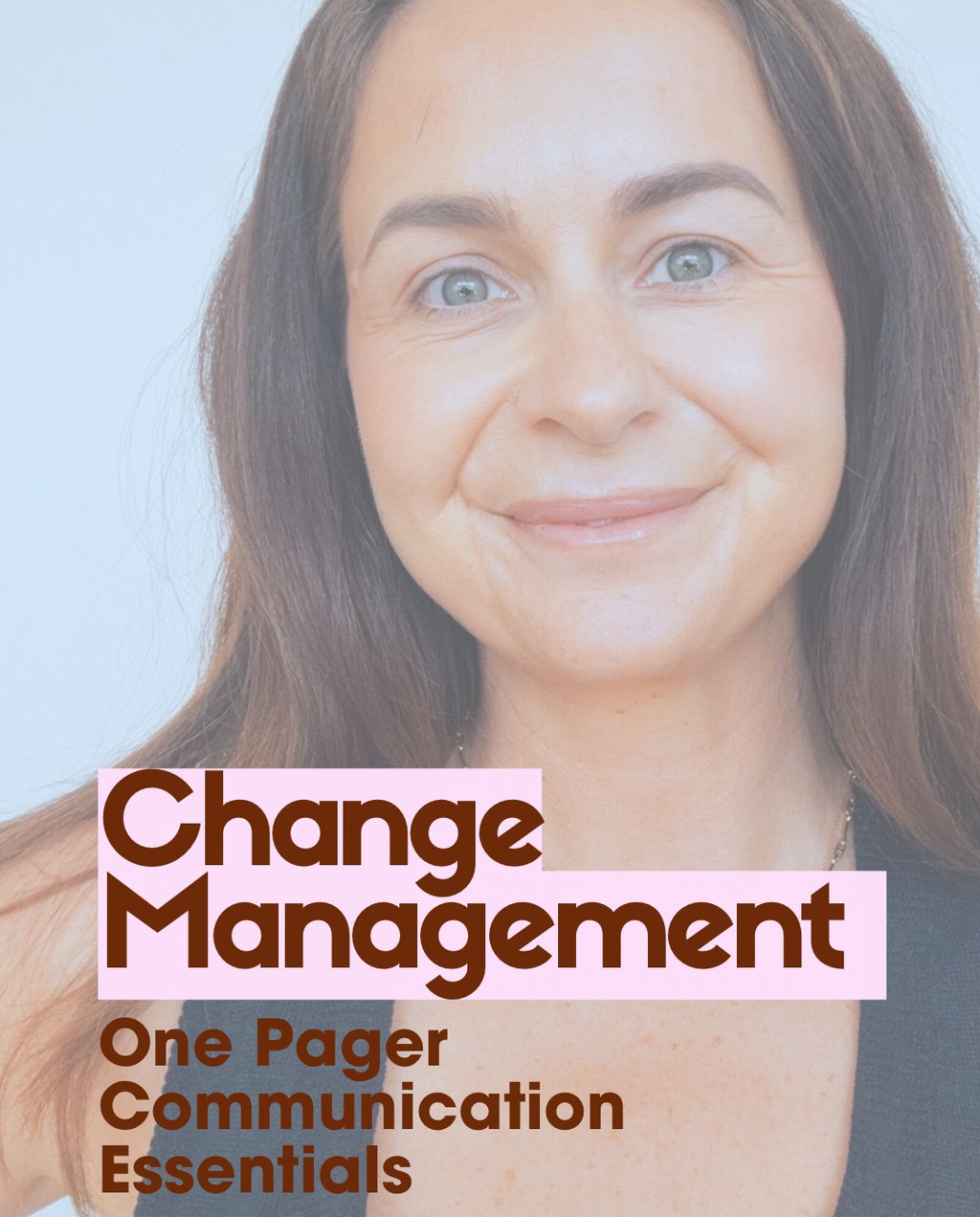
Why a One-Pager Can Transform Your Change Communication
When it comes to change leadership, clear, consistent, and motivating communication is what keeps momentum strong and people connected.
Last year, I supported a medium-sized business in rolling out a significant IT solution to improve operational efficiency, streamline internal processes, and enhance collaboration across departments.
The change strategy was robust, timelines were mapped, and everyone understood what needed to happen, or so I thought......
As implementation began, small but familiar blocks started to surface: resistance, confusion, hesitation. While this is a regular part of change, effective change leadership requires leaders to pause, review, and adapt to recognise challenges as they emerge and respond with strategies that keep people engaged and supported. The project made perfect sense on paper, but something essential was missing.
The Turning Point
What changed everything wasn’t another plan, meeting or more resources. It was something deceptively simple: a one-page change communication plan. Not a dense PowerPoint deck or a multi-tabbed spreadsheet. Just a single, visual summary on a page that captured the key messages every leader could use when briefing employees about the change. This one-pager became the anchor for every conversation.
It wasn’t designed for senior directors. It was designed for people who would be part of the change's success and that’s where change communication often falls short. We overcomplicate what employees actually need to understand and believe.
At its heart, the one-pager translated complex strategy into simple, human language.
It gave employees something they could see, share, and remember. But also simplified the change processes so leadership could clearly articulate what would occur.
Here’s what made it work (and why it’s effective):
1. The Why — create shared meaning. Clearly explain what problem the change solves and why it matters, especially for employees. Change becomes easier to support when people can connect it to something bigger than a new system or process.
When employees understand why it matters, they begin to align effort with purpose.
2. The How — build psychological safety through clarity. Outline how the change will happen and what people can expect along the way. People don’t resist change; they can resist uncertainty. By being transparent about the process, including milestones, timeframes, and expectations, leaders reduce anxiety and build trust.
Research consistently shows that clarity is one of the strongest predictors of engagement during change (Aon, 2023). It gives employees a sense of control in a context where they might otherwise feel powerless.
3. The Outcomes — connect change to value. Define what success looks like for the organisational and for employees. People engage when they can see themselves in the story. Outcomes should link organisational objectives (efficiency, innovation, service improvement) with personal benefits (simpler workflows, new opportunities, reduced frustration, reduced admin).
This combination of context + process + outcome turns communication into meaning-making. That’s when alignment begins.
The Ripple Effect
Once the one-pager was introduced, leaders had language they could use confidently. Teams could see where they fit, and conversations shifted from 'what’s changing' to 'how can we make this work?'
It created consistency so every leader, regardless of role or business area, could speak to the same key messages without interpretation gaps. It also gave people something tangible to return to as a reference point when things felt complex or uncertain.
Within weeks, engagement increased, and I could see the lift of confidence in the project. Employees began asking more thoughtful questions and taking greater ownership of how the change would impact their day-to-day work.
Why Simplicity Wins in Change Communication
The most effective change communication doesn’t overload people with information. It builds understanding. When change communication is overly detailed or abstract, it can lead to cognitive fatigue. People disengage, not because they don’t care but because they don’t know where to focus their attention. A one-pager does the opposite. It captures attention, builds clarity, and provides leaders with something they can confidently share and adapt to their context.
It’s not about simplifying the work; it’s about simplifying the message. Because when people understand, they engage.
Practical Tips for Creating Your Own One-Pager
If you’re planning or leading change, here are three ways to build a one-pager that drives connection, clarity and alignment:
1 Start with the story, not the end result or outcome. Frame your change in a way that helps people connect emotionally and practically. What’s the purpose behind this? Who will it impact?
2. Use plain language. Avoid technical or strategic jargon. Employees remember what they can relate to and not what sounds impressive.
3. Design for visibility. Keep it visual and easy to share. If it needs a long explanation, it’s not simple enough yet.
Final Thought
Change doesn’t fail because people are resistant. It often fails when communication doesn’t create the connection and clarity needed. A simple one-pager can do more than summarise information; it can turn strategy into shared understanding and help leaders communicate with confidence and consistency.
If you're interested in the one-pager, it is available here.
Instagram post here
LinkedIn post here
© 2025 collabbWAY. All rights reserved.


Website by collabbWAY
Based in Geelong