What If Self-Belief Isn’t a Constant?
Brooke Baxter | collabbWAY
10/28/20254 min read
What If Self-Belief Isn’t a Constant?
Self-belief has been front and centre for me over the past few months, and it hasn’t been easy.
When I stepped away from the known structure and safety of my CSO leadership role, I expected change and uncertainty. In fact, I initially welcomed it.
What I didn’t expect was the kind of self-doubt that would creep in — quietly at first, then my internal voice grew louder as I began showing up in new ways.
Questions I hadn’t asked myself in years began to surface:
'Have I done the right thing?'
“'s this a mistake?'
'Who even wants to hear this?'
Even with years of leadership experience behind me, I found myself in that uncomfortable space between what I know and what I feel. This is the tension that comes with stretching beyond what’s familiar.
What’s Making It Harder
I’ve never felt drawn to visibility for visibility’s sake. I’m most comfortable at work, in spaces that feel real, conversations filled with curiosity, ideas, and genuine connection.
The thought of filming content or ‘showing up online’ has never come naturally.
But I’m learning to redefine what showing up means, to do it with honesty rather than polish and perfection. So, this has called for a different kind of self-belief. One that aligns with who I am as a person and a professional. While that discomfort has been confronting, it’s also been clarifying on this new journey.
What’s Been Helping
I’ve had to coach myself more intentionally, and I’ve also reached out for support from people who see me clearly when I can’t.
A recent reflective session with Elise from Elise Insight in Geelong reopened something in me (in the best way). She reminded me that old stories and narratives, the ones we thought we’d outgrown, can often resurface when we’re doing something bold, different, or unfamiliar.
That doesn’t mean we’ve failed. It simply means we’re human.
The Reminder I Need to Keep Coming Back To
Self-belief isn’t a fixed trait. It’s not something you either have or don’t have.
It’s something you might need to re-choose, rebuild, and reclaim, sometimes over and over again.
Even the most confident, experienced people lose their way. Sometimes this can be when they step into something new, or it is situational. The courage is in noticing it, naming it and showing up anyway.
This was echoed in the Harvard Business Review (HBR) article, ‘The Hidden Beliefs That Hold Leaders Back’ (Goler, Gale, & Harrington, 2023).
The authors describe how even high-performing leaders carry internal 'blockers and beliefs, such as 'I must have all the answers' or 'I don’t belong here'.
Those hidden narratives don’t mean we’re not capable; they highlight how often growth and self-doubt can go hand in hand.
When Self-Doubt or Imposter Syndrome Shows Up
So, if you are experiencing a similar struggle, here are three small practices that may help you find your feet again:
1. Name it — don’t negotiate with it.
When the inner critic gets loud, call it what it is: a voice of fear trying to keep you safe.
Label it, thank it, and move forward anyway. Awareness shrinks its power.
Recognising these 'hidden beliefs', as HBR describes, allows us to loosen their grip. You can’t shift what you can’t see.
2. Reconnect with evidence, not emotion.
Keep a quiet record of what’s true by drawing on feedback you’ve received, outcomes you’ve achieved, and moments that show your impact.
When doubt shows up, revisit it. It’s not about ego; it’s about anchoring in reality and your truth when your feelings are louder than facts.
Leaders who consciously separate belief from evidence are more likely to move forward with confidence and purpose. Not because they feel ready, but because they’ve learned to trust what’s real.
3. Reach for reflection, not perfection.
When you catch yourself spiralling in self-critique, pause.
Ask: What’s really happening here? What am I feeling? What am I uncovering?
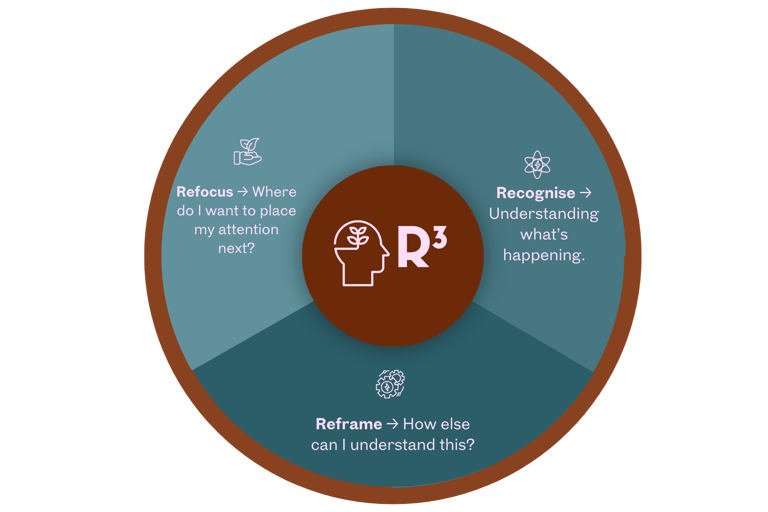
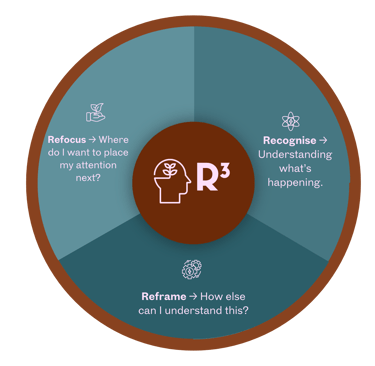
I often reflect using a reflective framework by collabbWAY: R3 — Insight Reflection Model — Recognise, Reframe, Refocus. I find this model and internal reflection help turn discomfort into insight and keep you moving forward rather than getting stuck. Growth doesn’t come from getting it perfect; it comes from paying attention, reflecting and learning intentionally.
My Final Thoughts
Whilst this story began as a personal struggle. It’s now a story about permission.
Permission to lose your way. Permission to not always feel certain but to show up anyway, even when it’s hard and your self-belief wavers. I've been reminded that self-belief isn’t a constant state.
It’s something we build, lose, and rebuild — again and again.
Over to You
If you’ve ever felt this way, I’d be genuinely interested to know: what helps you hold onto your voice and confidence when the doubt creeps in?
References
collabbWAY. (2025). R3 = Insight Reflection Model. collabbWAY Leadership Resources.
Goler, L., Gale, J., & Harrington, B. (2023). The hidden beliefs that hold leaders back. Harvard Business Review. https://hbr.org
Instagram Post:
LinkedIn Post:
© 2025 collabbWAY. All rights reserved.


Website by collabbWAY
Based in Geelong